12th May 2010
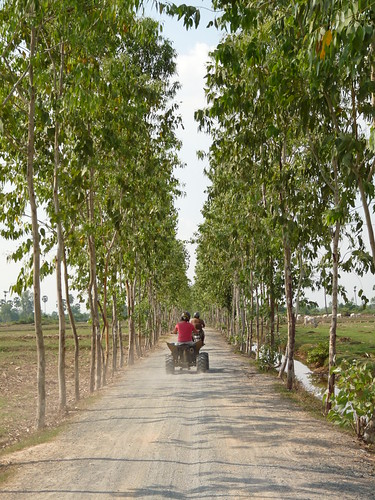
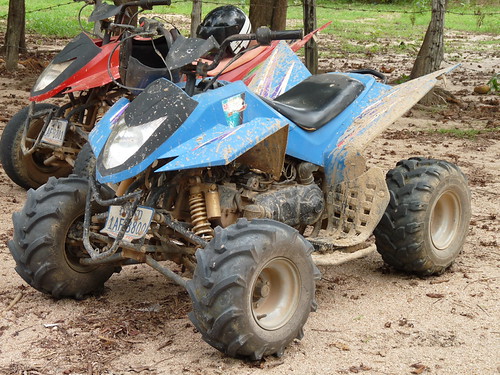
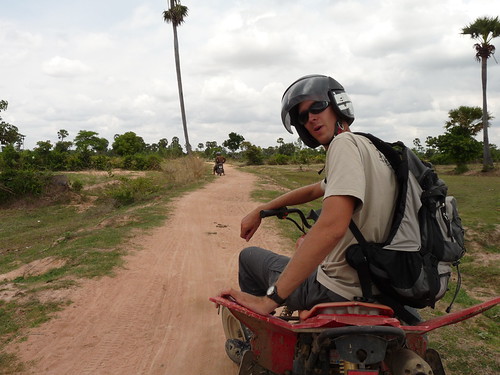
My carriage? A small quad bike. Today we were doing a full day tour on these ATV (All Terrain Vehicles) and I hadn’t realised how vital they would be on Cambodia’s roads. We were picked up by tuk tuk and were soon being transported through the chaos of Phnom Penh during rush hour. Thirty minutes later we were out of the hustle and bustle of the centre and into the coutryside, and arriving at the Blazing Saddles HQ.
Minutes later and we were off, but not far. Just around the corner from HQ we stopped at the Killing Fields of Choeung Ek. An optional, but we felt necessary part of the tour. This is Cambodia’s very recent and highly traumatic history and I think both this site and the prison at Tuol Sleng in the city had to be visited in order to try and understand the horrors that this country has experienced.
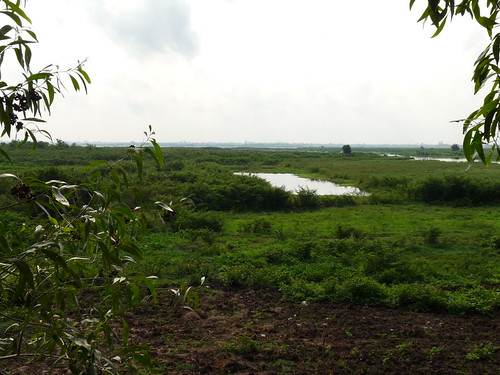
Today, it is a peaceful site, especially because we arrive very early, before any tour groups. However, between 1975 and 1978 about 17,000 men, women, children and infants who had been detained and tortured at Tuol Sleng prison were transported to this extermination camp at Choeung Ek, just 15 km from the centre of Phnom Penh. They were subjected to horrible deaths, often bludgeoned to death to avoid wasting bullets.
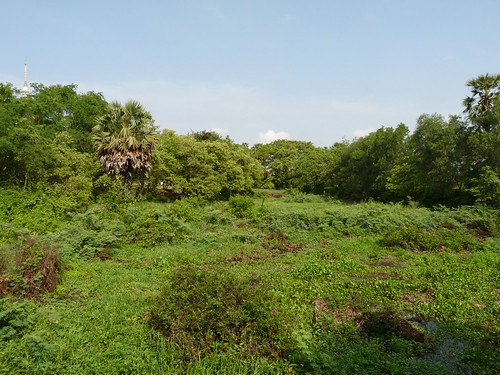
In 1980, after the fall of the Khmer Rouge, the remains of 8985 people, many of whom were bound and blindfolded were exhumed from mass graves. We took a tour guide around the pits, but truth be told, the information he gave us was simply what was written on the signs that we could have read ourselves. The exhumed pits litter the area behind the memorial and fragments of human bone and bits of cloth are scattered around them where the rain has washed them out of the pits and up to the surface. Everywhere you looked you could see evidence of the burials. There are still 43 mass graves which have been left untouched.
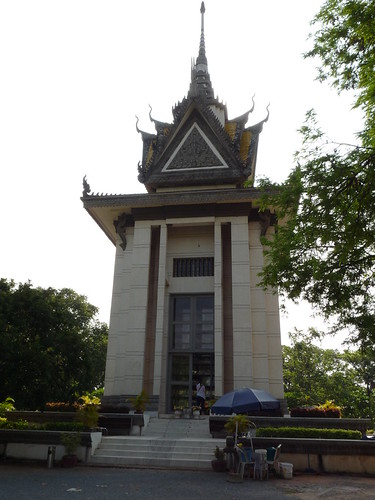
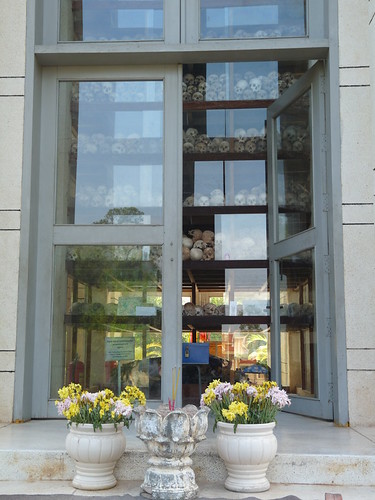
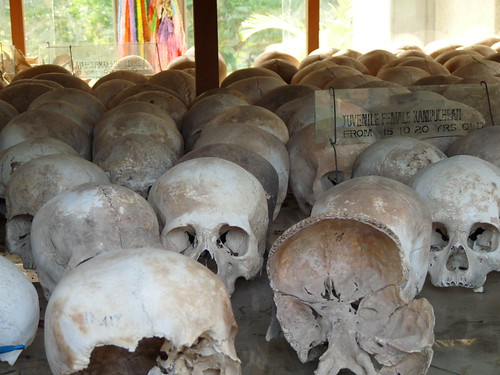
In 1988, a Memorial Stupa was built to house the over 8000 skulls disinterred from the pits. These have been arranged by sex and age, with some of the clothes of the deceased at the bottom. There are also bones and teeth, the latter having been pulled out as a means of torture before death.
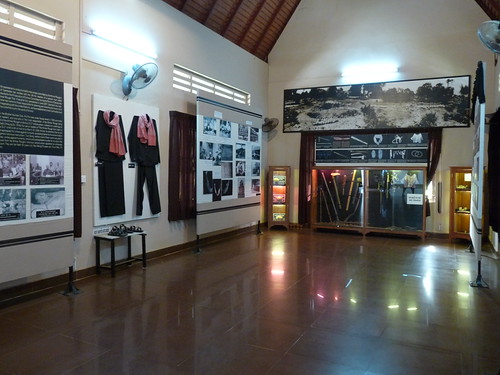
We also visited the small museum which contained information about the regime and their barbaric practices towards any deemed to be against them. Paranoia ruled, with anyone who spoke a foreign language or wore glasses targeted because they thought anyone educated was a threat. Babies were killed to avoid revenge killings later in life, often by smashing their heads against a tree before throwing them into a mass grave.
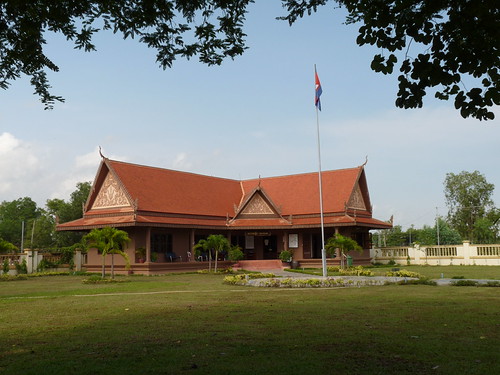
This was a truly sobering experience, so much death and destruction and only 30 years ago. It is hard to comprehend just how these evil men got away with it. There are only 4 still alive and these are currently undergoing trial for crimes against humanity, but one wonders whether they will live long enough to be sentenced.
We got back on the bikes just as some tour groups from the city were arriving. I think we had visited at a perfect time, both in terms of people numbers and to escape the heat of the day.
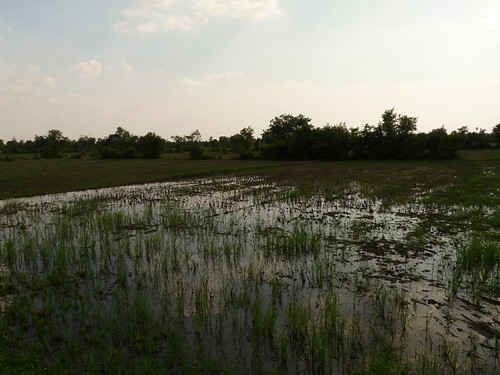
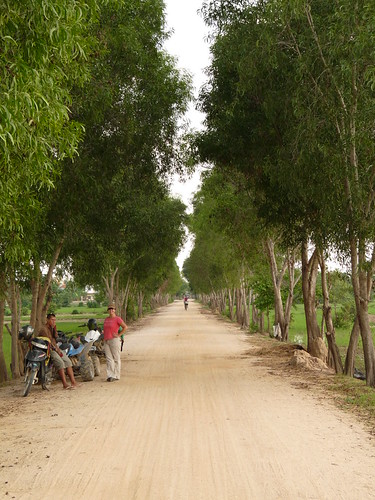
We headed off into the countryside of Cambodia. Shortly after leaving the Killing Fields, the road turned into a dirt track and remained that way for the rest of the day. Like Vietnam, a lot of the fields in this area are rice paddies, but unlike the flat countryside in Vietnam where you can see for miles, there seem to be more trees here in Cambodia. 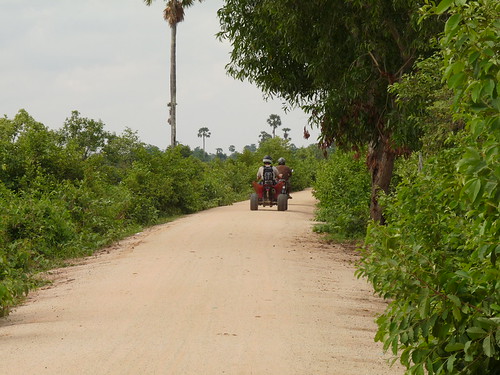
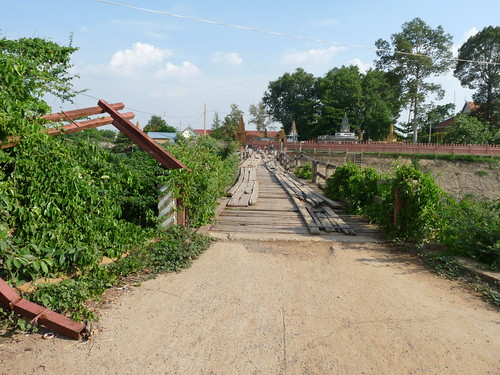
 We crossed a rickety, old wooden bridge with holes and planks laid across to repair them and drove through the first of many villages on our route today.
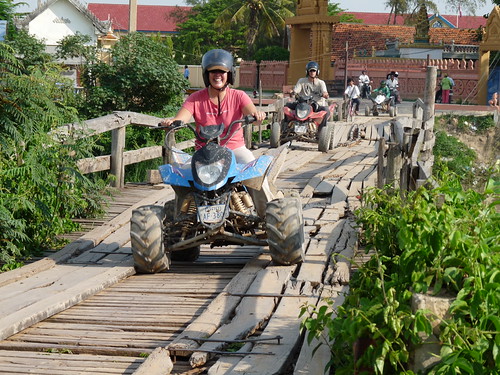
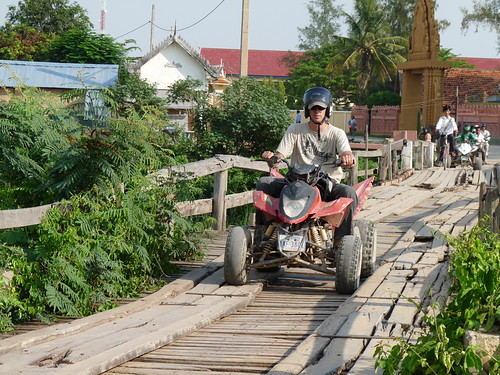
Everywhere we went both children and some of the adults would wave, the children running to the roadside as soon as they heard the bikes approaching in every village we passed through. They made us feel really welcome, it was quite a bizarre feeling being greeted by smiles and waves at every turn. I really felt like the Queen.
We stopped at a local roadside cafe for a wonderful iced-coffee (finally!) and some noodles. I think the locals were quite amused at just how much mud I’d managed to get splattered on myself.
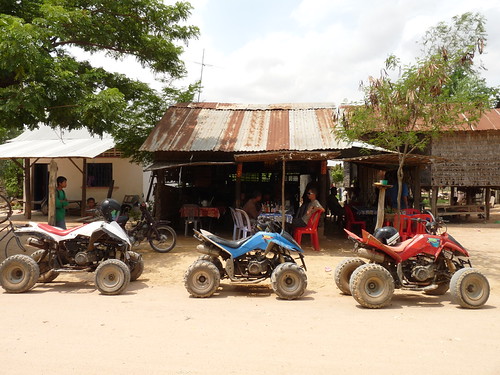
Most of the morning was spent just riding through and enjoying the countryside, less green than its neighbour, but they haven’t hit the rainy season yet. The roads got smaller and smaller until we were on something akin to a rabbit path - yet this was still a road!
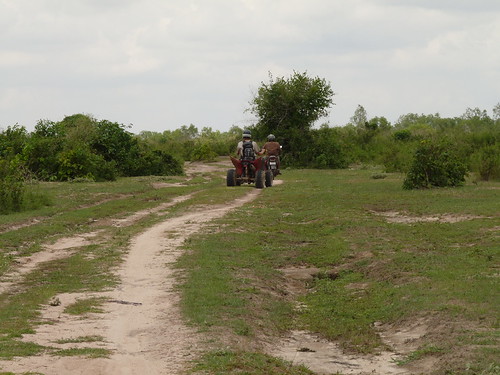
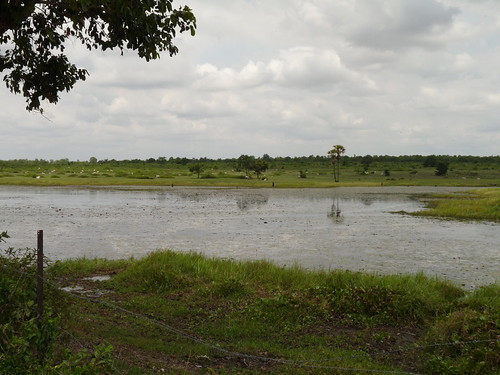
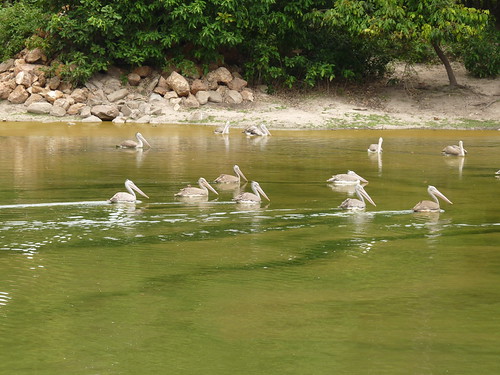
Late morning we arrived at the Phnom Tamao Wildlife Sanctuary. This is Cambodia’s foremost wildlife sanctuary and home to animals confiscated from traffickers or saved from poachers traps. The animals are kept in varying conditions that are rapidly improving with help from international wildlife NGOs. As we drove in, it felt very much like a safari park, with animals in enclosures lining the roads, but there were also some smaller cages housing monkeys, squirrels, turtles and other small animals.
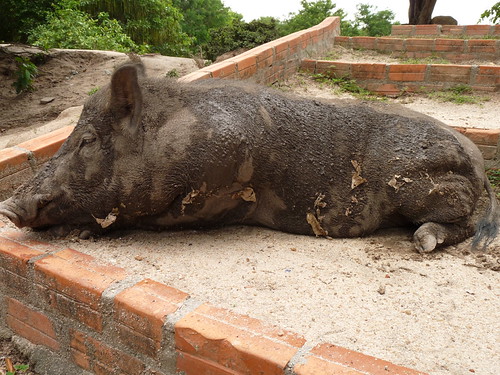
The first enclosure we entered contained some deer and a wild (very dangerous!) pig, which didn’t even bother to move on our arrival. It was quite nice to see these animals with quite a bit of space, but sad to see the monkeys kept in small cages.
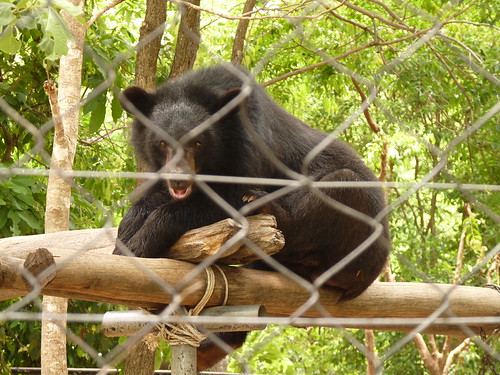
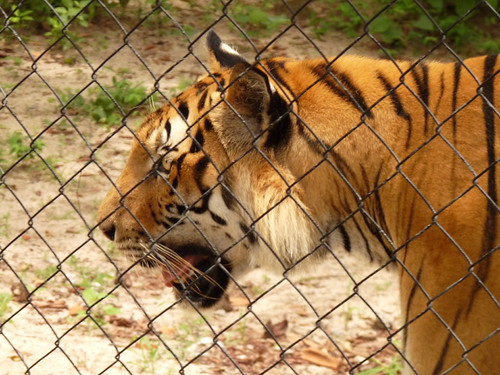
When we returned to the bikes and continued to drive through the park to various enclosures containing tigers and bears the disparity between enclosures funded by NGOs and those that weren’t became evident. The bears enclosure was massive, with plenty to occupy them (although I think they were more interested in sleeping in this heat!), whereas each of the tigers only had a small space and were pacing back and forth. I had to keep reminding myself that even this was still an improvement on their previous lives.
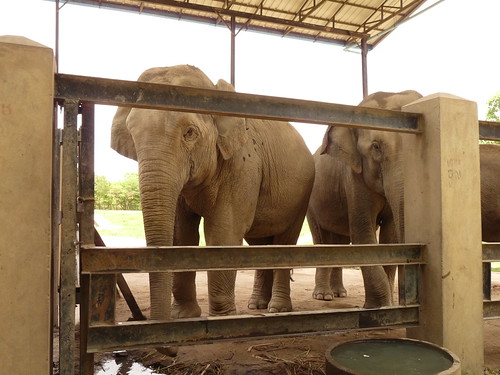
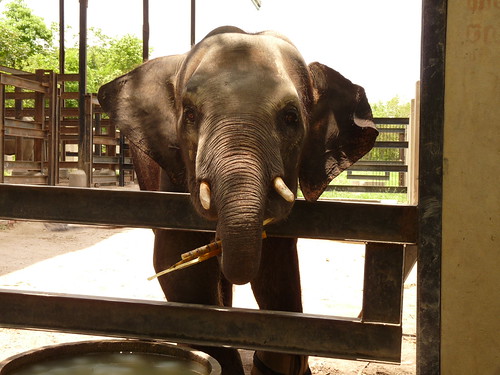
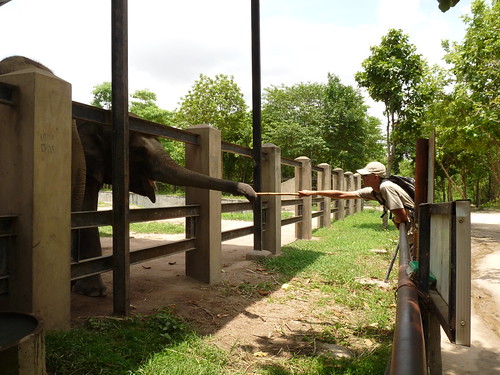
We also visited the elephant compound, which while not massive, was fairly big and clean. Compared to the amount of space the elephant at Limassol Zoo used to have, these elephants were living in luxury. We were also able to give them some sugar cane to enjoy. There was a baby elephant there with a bad foot which had a cast on it - so they obviously get medical treatment, which is a good thing. As with many developing nations, it must be difficult to ensure animals are taken care of when the population itself is struggling.
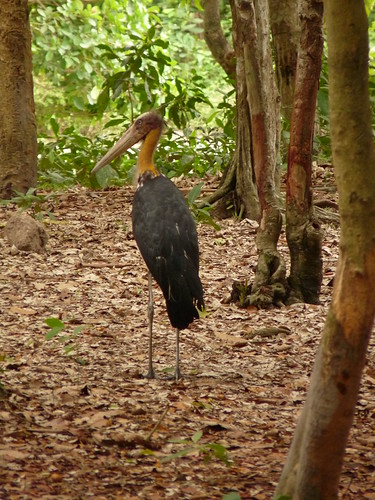
The centre is home to the world’s largest captive collections of pileated gibbons and Malayan sun bears, as well as other rarities such as Siamese crocodiles and greater adjutant storks. Wherever possible animals are released back into the wild once they have recovered and the centre operates breeding programs for a number of globally threatened species.
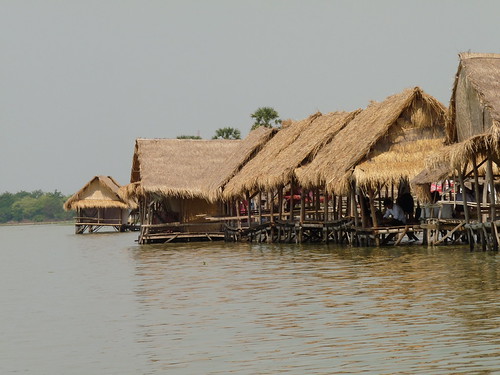
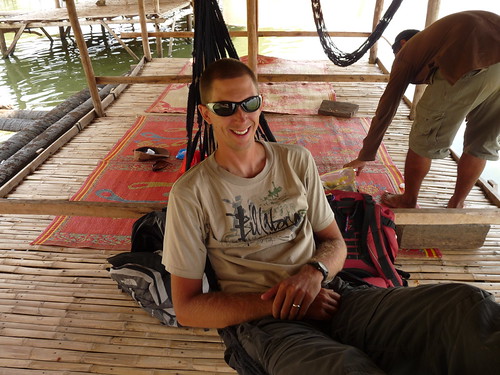
Our lunch spot was an wonderfully peaceful spot in a bamboo hut on the edge of Tonlé Bati Lake. A simple lunch of baguettes and tuna was supplemented by produce from the numerous ladies who brought their wares along the short bamboo bridge to our hut. Our guide Aka bought us loads of things we hadn’t tried before such as rice cakes, palm fruits and guava, but we drew the line when the lady with the deep fried insects arrived :D.
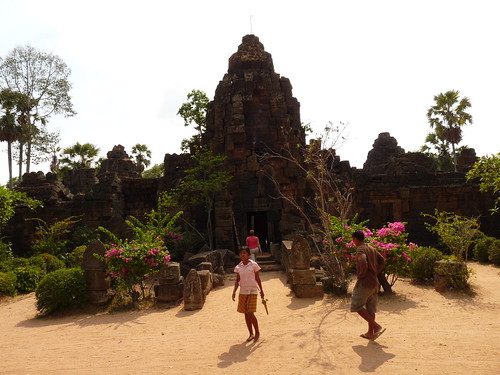
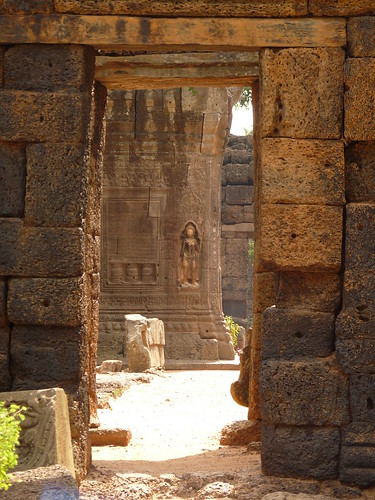
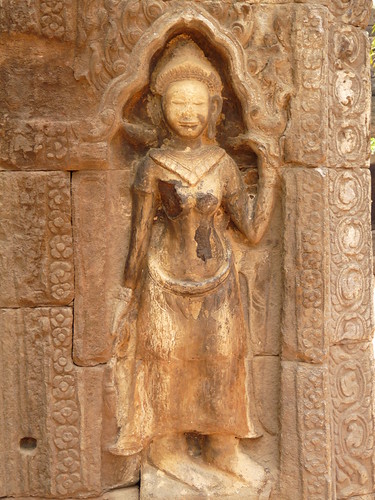
After lunch we explored the nearby pair of Angkorian-era temples, accompanied by a group of young girls who gave us some beautifully scented flowers (after we declined to buy any offerings from them). Inside the temples are various buddha statues and they are still used for worship. I left the flowers on the alter of one of the buddhas which had been left without a head. These temples are similar to those we’ll see at Angkor near Siem Reap.
We then did the whole journey in reverse, back through villages of excited and often naked children, stopping at one point to look at a baby squirrel that some of them had. Back along the dirt roads alongside the paddy fields and back across the rickety old bridge.
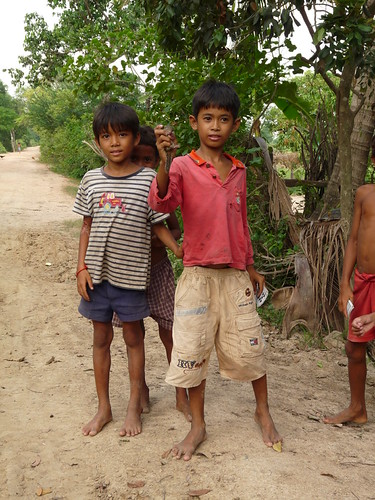
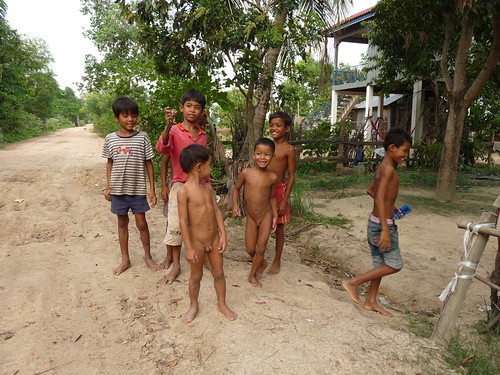
An absolutely amazing day, a fabulous, if brief opportunity to see the real Cambodia and how the people live their daily lives. When we booked the tour, the quad bikes simply seemed a fun way to see the countryside, however they proved much more than this. The roads are so basic and quite poor in places, so apart from a motorbike or 4WD vehicle, this really is the only way to get around. We arrived back in the city, tired and very muddy but having thoroughly enjoyed.