
4th March 2010
Steve Irwin. Love him or hate him, he is undisputably one of Australia’s icons with his cries of ‘Crikey’ and ‘you little beauty’ when talking about a highly dangerous snake or crocodile, which is probably about to take his arm off. Even on leaving the UK, a trip to Australia Zoo was high on our list.
Australia Zoo became famous in the 1990 when the Crocodile Hunter and his wife Terri took over management of the zoo. Formally known as the Beerwah Reptile Park and owned by Steve’s parents, the park grew from four acres to seventy acres with over 1000 animals. Steve Irwin died on 4 September 2006 after being fatally pierced in the chest by a stingray barb while filming in Australia’s Great Barrier Reef. This year the zoo is celebrating it’s fortieth anniversay and continues to build Steve’s dream. There is very much a focus on conservation and education in the hope of ensuring all animals, but especially crocodiles and Australia’s native creatures such as Koalas survive for generations to come.
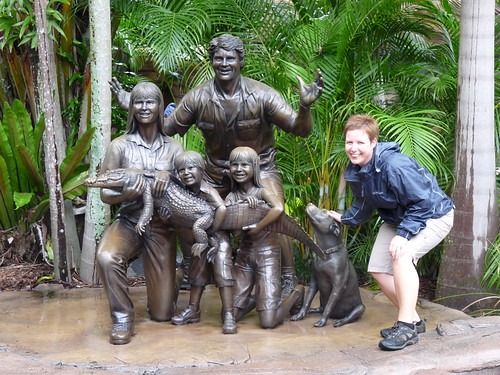
We had booked a two hour Zoo Safari tour to get us started at the park, so after getting through the administration kiosk, we headed for the tours desk. The tour is designed to give you a unique and in-depth understanding of the history of Australia Zoo, how it operates, and of course most importantly, their beautiful and fascinating wildlife.
Initially we were the only two people on the tour, and our guide Chris took us to the Crocoseum where we got a look at the crocs out the back who would be brought into the ring. Steve’s idea for the crocoseum apparently came from the Aussie star Russell Crow who was a good friend and his movie Gladiator.
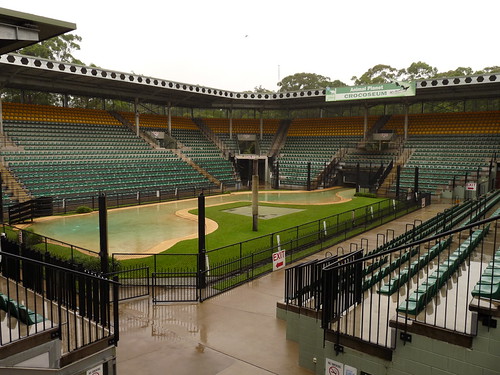
Steve wanted to provide the visitors to Australia Zoo with the opportunity to see crocodiles in clear water ponds, in an action-packed show full of discovery and adventure. Crocodiles use the murkiness of the water in their territory to camouflage from their prey. By using clear water, the dangers that can be lurking just below the surface of a seemingly serene billabong can be highlighted, educating the public by showing them how crocodiles live and behave in the wild. Steve had a complicated and ambitious vision, and everyone said it couldn’t be done. They were wrong.
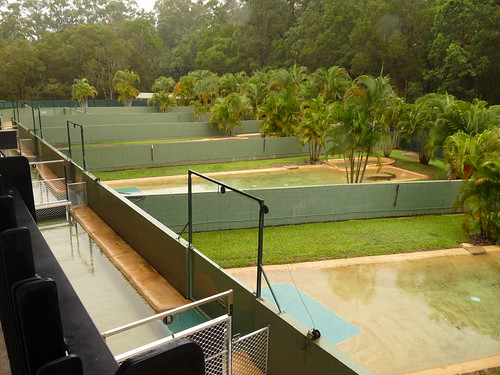
Chris also pointed out that it was never Steve’s intention to have crocs in captivity. In fact, he hated it, but for some of these crocs the only other option was to have them killed. This was because they were too dangerous to leave in the wild as they would attack humans and cattle. Also, by bringing them into the zoo, they could further research into these ancient creatures and educate people about their behaviour and the best way to avoid them. Today, Australia Zoo is the only facility actively researching these creatures.
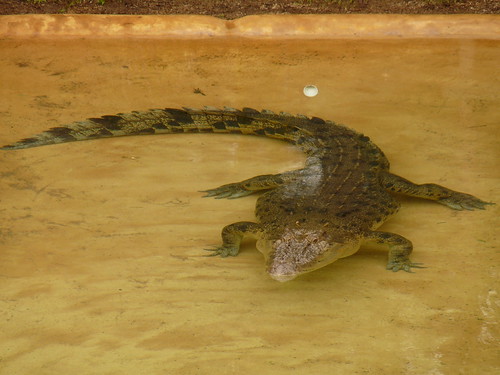
We briefly returned to the tour desk to collect some more people who wanted to take the tour before wandering through the crocodile pens, which contained some massive creatures. This was the area that Steve originally used for his crocodile shows and one that we recognized from his TV show.
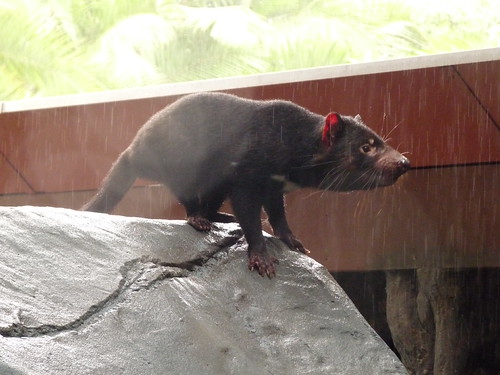
We then headed off to see if we could see some Tasmanian Devils, and our luck was in. There were two devils haring around their pen. As we had learnt in Tasmania, these little animals are currently critically endangered.
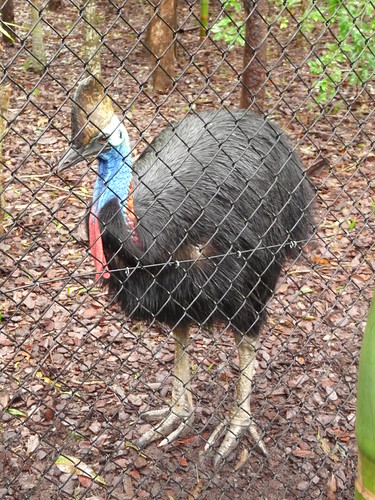
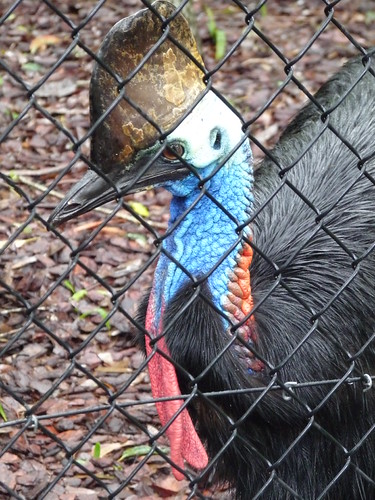
Our next encounter was with the weird looking, critically endangered Cassowary. These giant birds stand between around 2 metres high and the heaviest bird in Australia. Their habitat has diminished as a result of agriculture and urbanisation in these areas. Without Cassowaries, the Australian rainforests may not be able to survive, so the zoo is working on a breeding program, unfortunately without success so far.
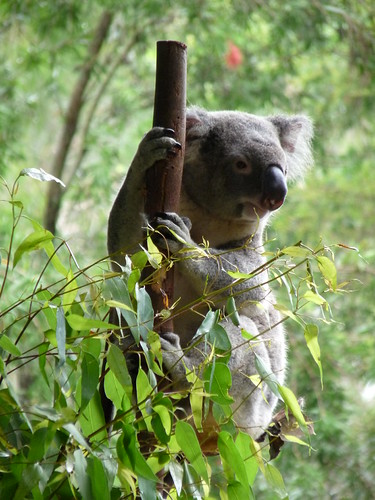
Next up were some more Australian icons, the Koala. We were lucky enough to see a baby koala with its mother and also lucky that the baby was quite active considering these fellows sleep for around 20 hours a day. The usual pose of a koala is that of someone who has had a hard night and is slumped in a tree, but this little baby was up and about and waking up mum (who wasn’t too amused) to get in for a cuddle. Cute as!
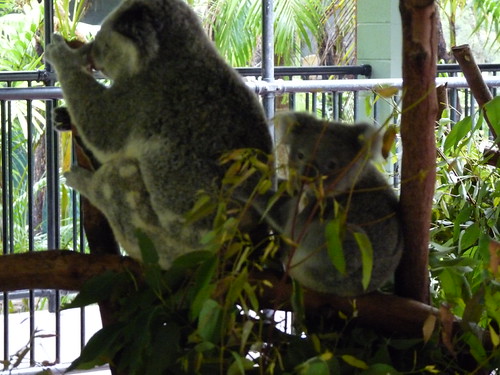
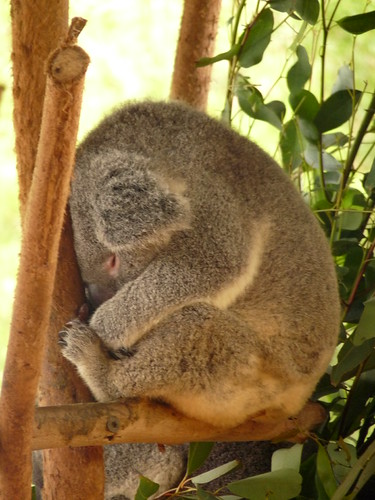
Each of the keepers provides a wealth of information about the animals they look after, reinforcing the education and conservation aspect of the zoo at every turn. While we were with the koalas we learnt that they would be extinct within 10 years due to an illness which is like AIDS in humans. They are currently searching for a cure, but the outlook is bleak and the majority of injured koalas brought into the animal hospital at the zoo are infected.
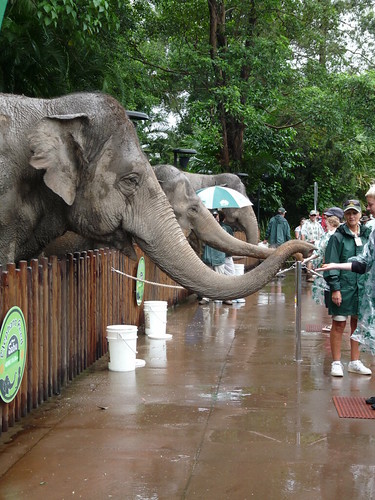
We wandered along to the elephant feeding. The three lovely girls, Sabu, Siam and Bimbo were lined up and ready to be hand-fed from a massive supply of fresh fruit and vegetables. You simply had to hold out your hand with the fruit and it was like a hoover sucking it from your hand.
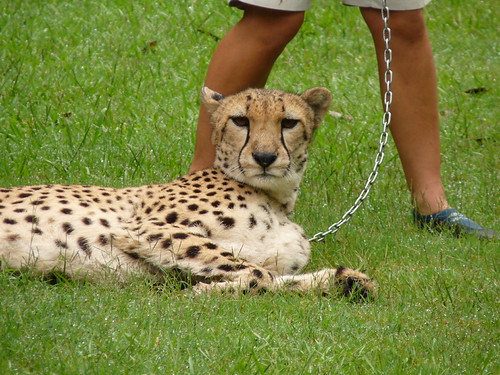
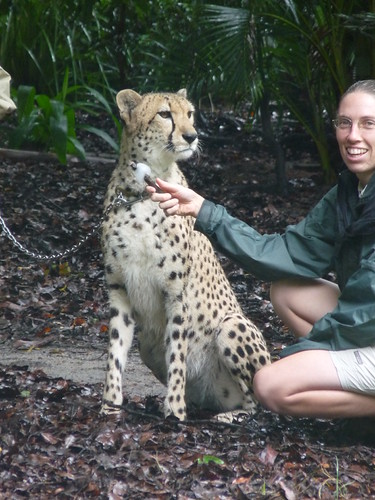
Now it was time to meet Sheeba the Cheetah. Australia Zoo appears quite unique in that it has a vast number of people committed to spending time with and getting to know their animals, especially the big cats. The keepers play with the animals and really gain their trust. When we saw the cheetah on a lead, obviously relaxed with the situation and just lying next to her keepers, we could see it was quite clearly a strategy that was working. The idea is that it shows these beautiful creatures off to the public who then fall in love with them and do their utmost to protect them in the future.
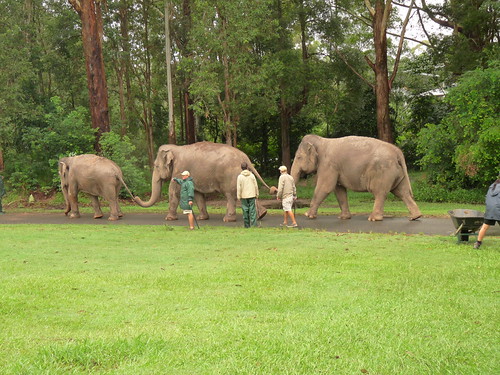
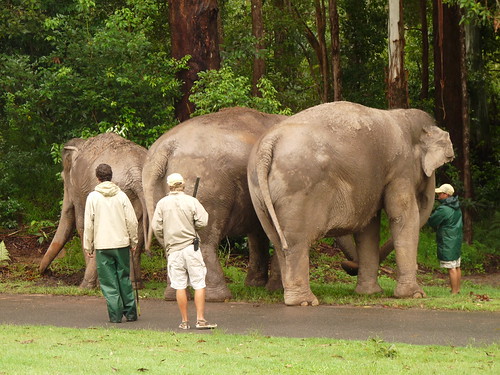
While we were with the Cheetah we saw the elephants heading back to their massive enclosure holding each other’s tails. Such a cool sight watching them walk in a line before taking a little time out to play with some of the trees on the park.
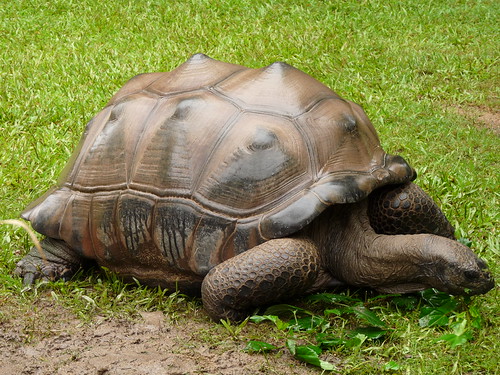
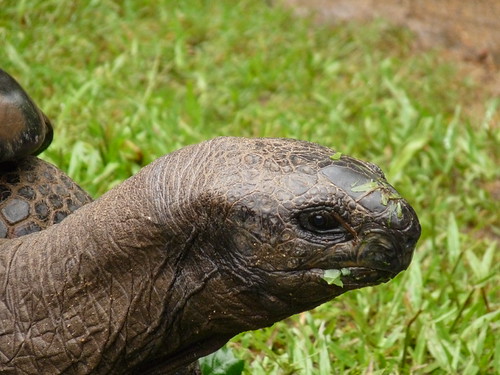
On our way to the wombat enclosure, which was something I particularly wanted to see, we called in at the Aldabran Tortoises. Massive creatures, these are the largest species of land tortoise in the world. They can grow to roughly 1 metre tall and weigh as much 300 kilograms. They inhabit the islands of Aldabra, situated off the east coast of Africa, in the Indian Ocean. They are now considered as a vulnerable species and protected on all the islands they inhabit.
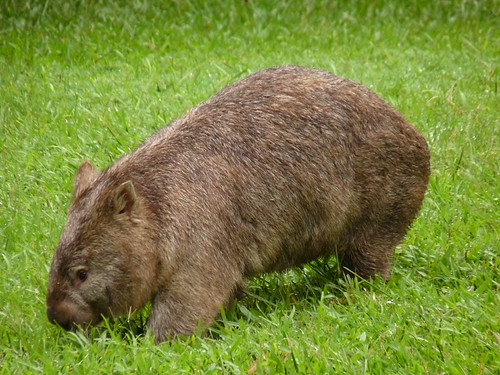
Another Australian native, the wombat. I was particularly excited about these guys having never seen one before. Their nearest relative is actually the koala, which you can sort of see if you look at them. They look a bit like a koala on four legs. They have a backwards facing pouch so that when they are nursing young in their pouch they can still dig burrows and not fill their pouch with soil! Although the wombats at Australia Zoo are diurnal, in the wild, wombats are nocturnal and will rarely venture out during the day, hence why we’d never seen them.
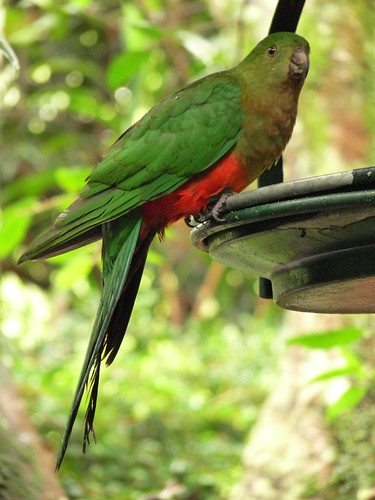
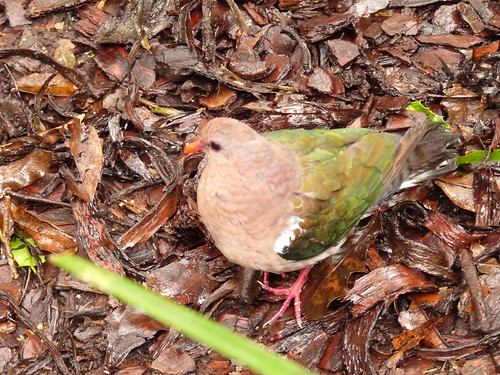
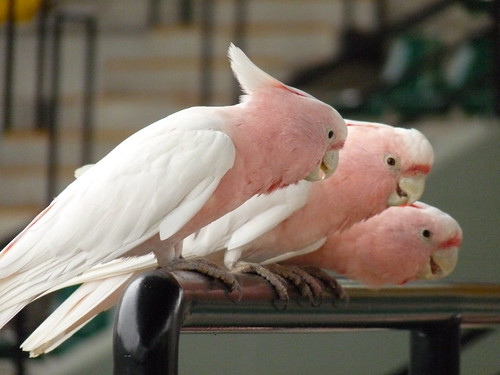
Leaving the wombats, we headed off to feed the red kangaroos, but not before stopping in at the rainforest aviary. Here we spotted several varieties of parrot along wih some pretty emerald doves and a glossy ibis.
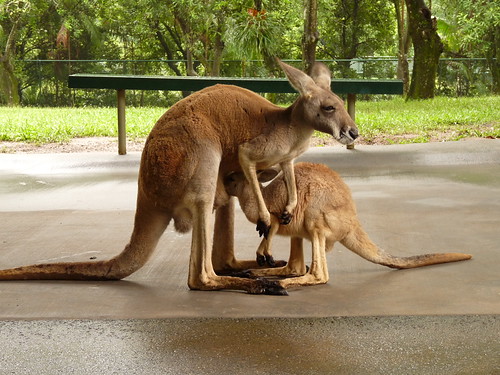
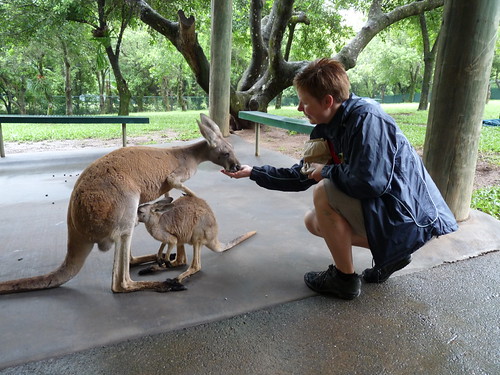
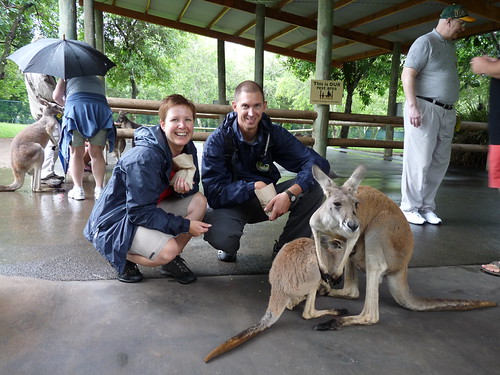
When we got to the red kangaroos, they were all sheltering from the rain because they’re not fans of the wet weather. In another lucky break there was a young joey out of the pouch, but returning to mum for some milk. I’d never seen this before and was able to feed the mum while she was feeding her baby. Magic! It didn’t take long for other ‘roos to come running when they realised there was food about and I was soon surrounded. It was fabulous to see the red kangaroos because up until now we’d mostly encountered the grey ones and wallabies.
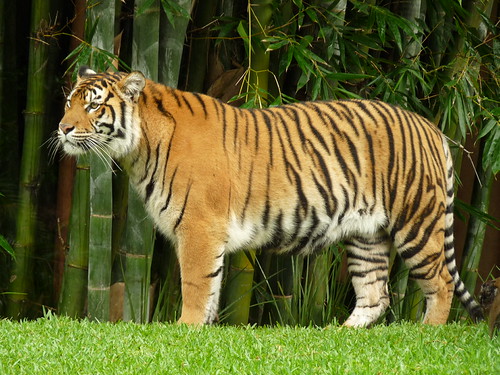
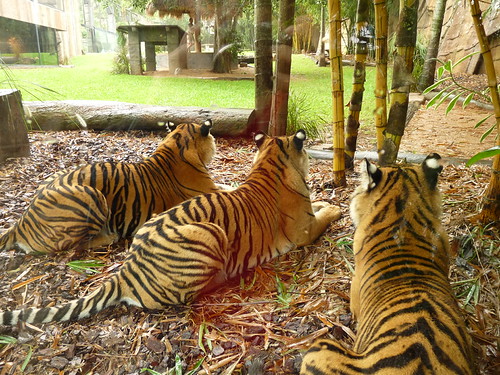
Tiger Temple was next on the list. We entered under the South East Asia banner with its ornate buddha sculptures created specially by the zoo’s own resident artist. Home to the zoo’s majestic Bengal tigers, Tiger Temple provides an amazing opportunity to get up-close with these magnificent big cats. In fact, at one point there was just a pane of glass (reinforced of course!) between us and them. Again, the keeper gave us a talk on these magnificent creatures which are critically endangered.
The final stop on our excellent tour was the elephant enclosure, Elephantasia. Elephantasia is Australia’s largest Asian Elephant facility. Created in 2006 for Australia Zoo’s beautiful girls Siam, Sabu and Bimbo, this Asian-themed exhibit is truly a work of art. It features a large pool with a fountain for the girls to splash around in, lush gardens, and plenty of shade and space for the elephants.
While we were out and about, our guide had also shown us some of the future development going on at the zoo. A massive area for their African animals with an isolated island called Madagascar with a river running around it where they’ll run a boat trip. The whole project is expected to be finished in about 7 years time.
The tour was superb, well worth the extra cost of $15 each and we’d covered the majority of the zoo with some excellent information and fabulous insights into how things are run.
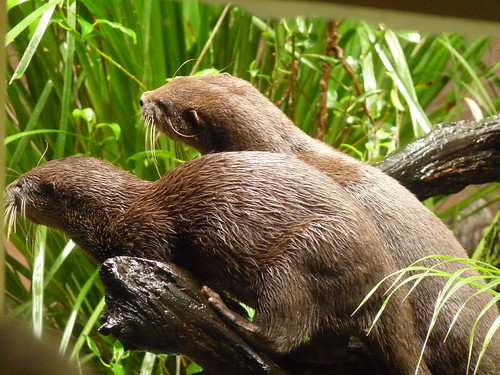
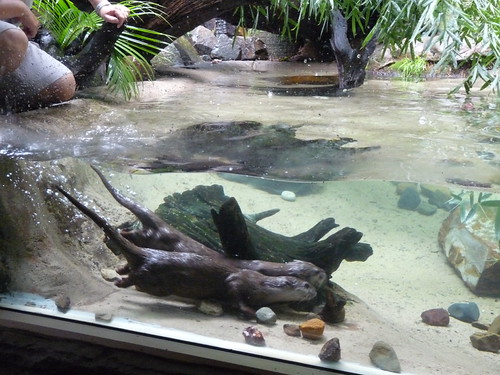
After lunch we decided to take in some of the animal shows which we had missed this morning, starting with the otter feeding. They have a fabulous enclosure with a glass front that means you can watch these lovely girls trying to catch the live fish the keeper throws in for them.
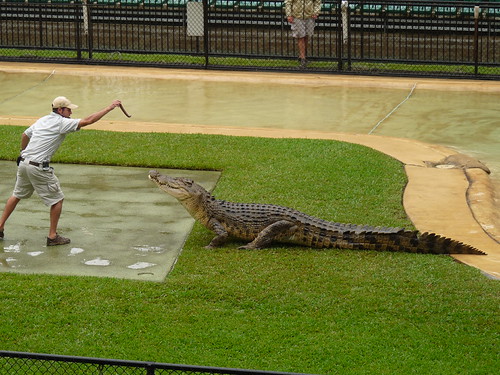
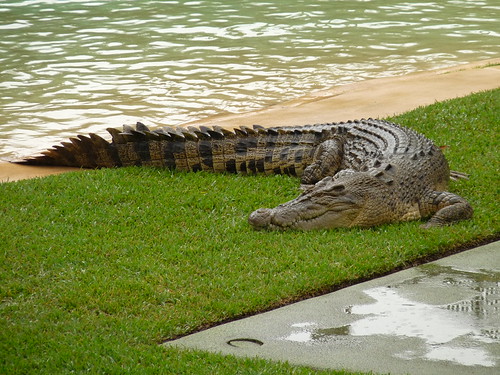
we headed to the Crocoseum for the daily Wildlife Warriors show. This features the keepers who present their amazing animals, including birds, snakes and of course crocodiles. With the emphasis firmly on education, the keepers inform the audience about the world’s conservation issues and protecting the animal kingdom. Finishing with those prehistoric legends, the big Saltwater Crocodiles. Awesome, just watching these magnificent beasts snapping at the keepers who were showing how fast the croc can jump half a body length and how he follows them around the pool through the vibrations that their feet make.
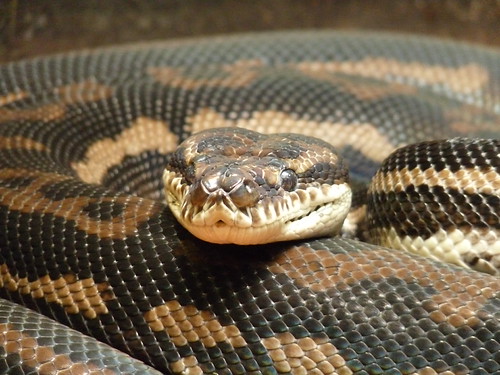
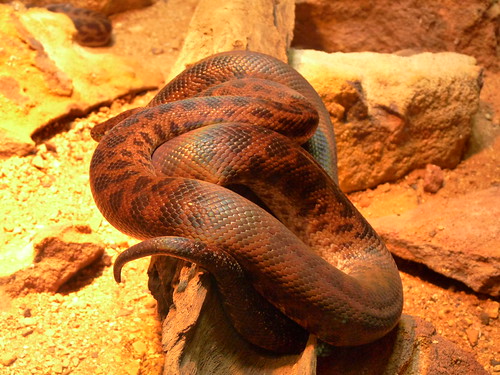
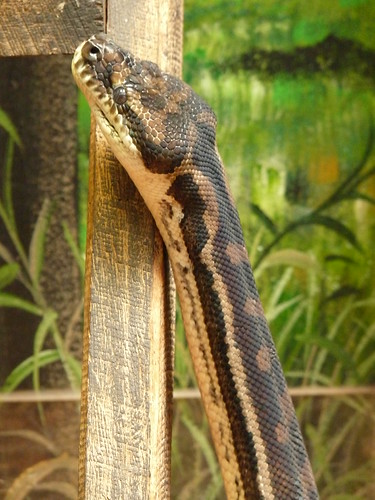
Our next stop was the reptile house which was one of the things we hadn’t visited this morning. Full of venomous snakes, mostly native to various regions of Australia, it was a good opportunity to see these up close and personal without being in any danger. There were also some of Australia’s non-venomous snakes on display, but even these were massive, especially the carpet python. I still wouldn’t want to come across one and probably wouldn’t wait around to identify it.
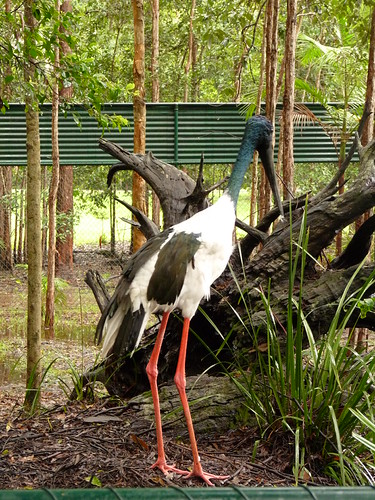
The only thing we hadn’t done was the wetlands area, so we had a very quick walk around here to look at the magnificent jabirus. By now the mosquitos were becoming a real pest and the centre of a wetland area wasn’t really the place to be so we headed back to the Crocoseum for the free flying birds of prey display.
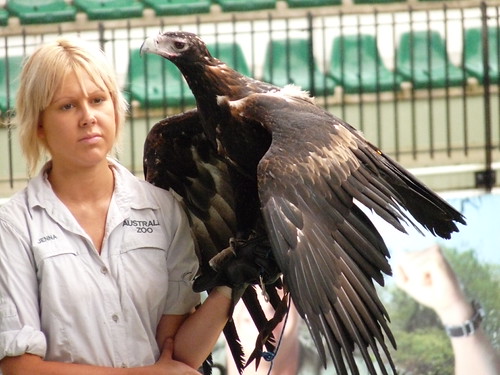
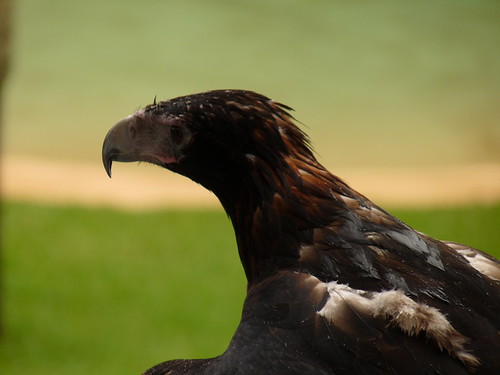
This was a great chance to watch these majestic and impressive birds interact with their keepers, while the keepers explained the way that Australian birds of prey find, capture and eat their prey. They kicked off with the amazing wedge tailed eagle, some examples of which we had seen in the desert, but to see this massive bird so close really brought home how big they are - and this was a small example.
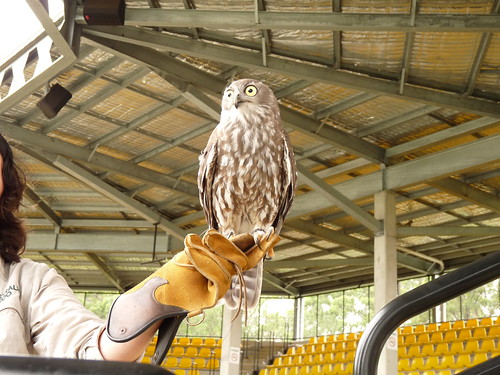
Next up was the Barking Owl, a stealthy night predator which like most owls has developed the ability for silent flight.
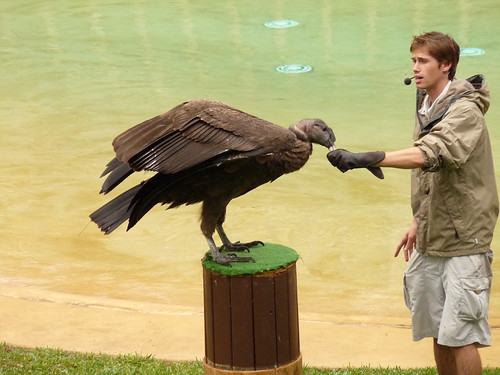
Then a real treat, an Andean Condor with such a big wing span he could barely make it through the gate into the arena. This endangered creature is not native to Australia and the one we saw is one of only 4 examples in Australia.
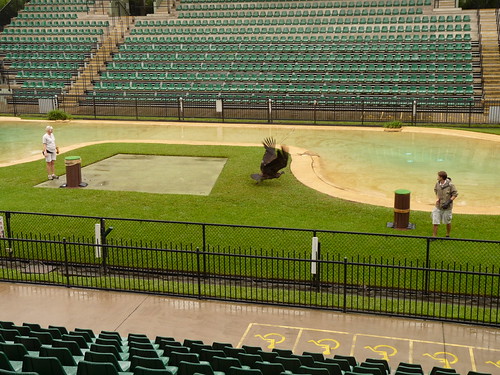
Our next visitor was a Whistling Kite. These are really common in Australia and we’ve seen hundreds as we’ve been travelling, but again, the chance to see it up-close and not flying away from you was excellent.
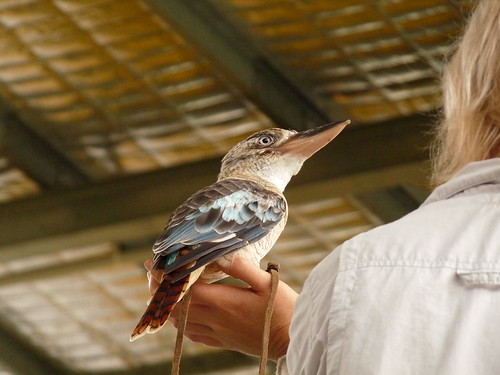
The final bird on display was a Blue-Winged Kookaburra, which is very similar to the well-known Laughing Kookaburra. Not ususally thought of as birds of prey, they do actually hunt and eat live prey, usually caught as they glide towards the ground then beaten against a post or trunk to kill it.
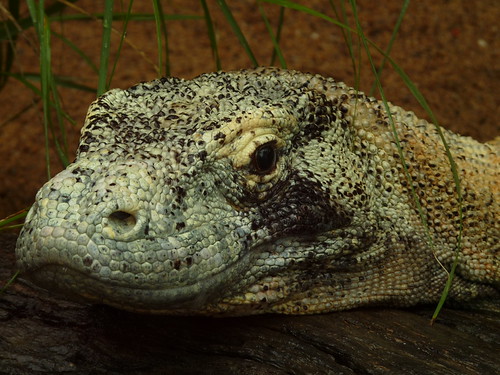
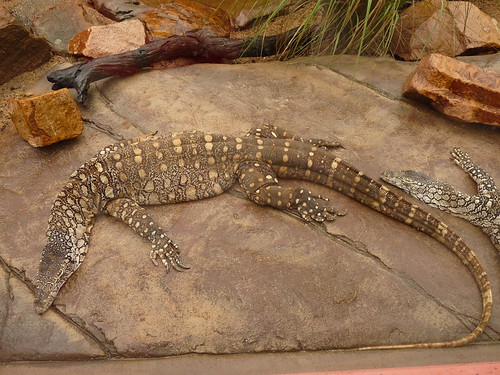
Throughout the day we also saw loads of different lizards, including the Komodo Dragon, iguanas and American alligators (also known as frogs with teeth by the staff at the zoo!).
We had an absolutely fabulous day, well worth the early start and journey from Surfers and definately one of the highlights of our trip on the east coast. It’s always more gratifying to see these animals in the wild, but failing that, being able to visit a facility like Australia Zoo, where the animals are kept in clean and comfortable surroundings and learn about them and their habitats and habits is the next best thing.