
21st November 2009
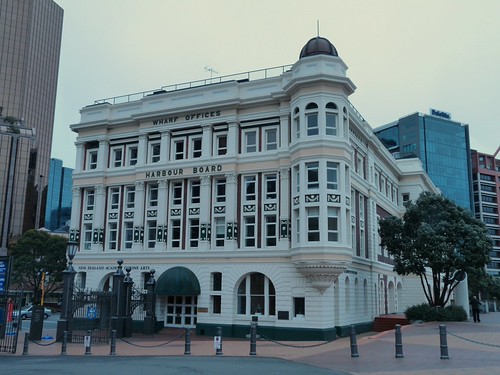
A grey day greeted us when we opened the curtains this morning. We could hardly make out the cranes along the docks and certainly couldn’t see the other side of the harbour. Obviously a day for indoor activities, so we made our way to the Wellington City Museum. A former bond store where goods were stored before shipping, the first area we entered had been restored to look as it would have done in the 1800s.
Next we came to a room featuring exhibits, images and stories about key events in Wellington’s history such as the protests over South Africa’s tour of New Zealand in the 80s and the nuclear protests.
Wellington is a city with close ties to the sea and so it was no surprise to find a large area devoted to the city’s maritime history including the Wahine Disaster when a cross island ferry sank in Wellinton harbour with a loss of 51 lives.
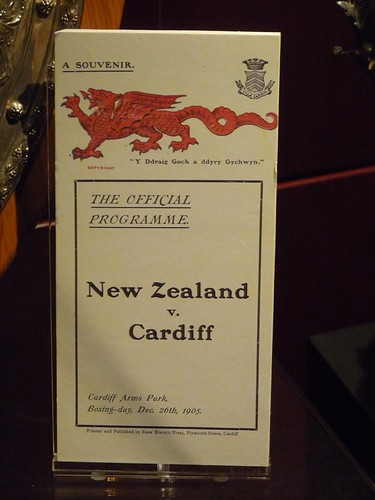
The last exhibit was a look at the social and economic development of the city, including of course rugby with a program from the 1905 test against Wales featuring as one of the exhibits. They are still complaining about a disallowed try that meant they were the losing side that day - some things never change :).
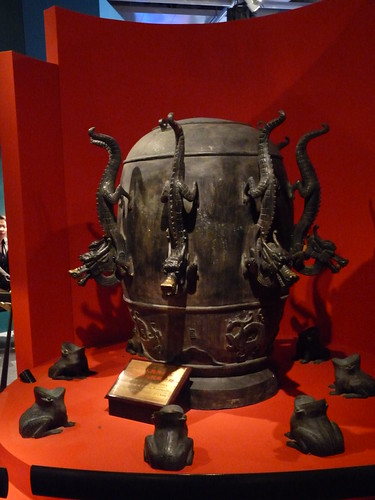
A walk along the sea front buffeted by the wind confirmed that another museum would be an excellent idea and so we made our way to Te Papa, the National Museum of New Zealand. This is a wonderful look at New Zealands history and culture and has the added bonus of being completely free.
We started off in the Earth sciences area. This examines New Zealand’s geography and explains the reasons for its many volcanoes and the related earthquakes. New Zealand sits on one of the earth’s plates which is continually sliding away from its neighbouring plate causing all sorts of natural occurrences such as earth tremors, sometimes on land, sometimes miles away in the ocean. It also forms part of the Pacific Ring of Fire, a network of volcanoes that covers the entire Pacific. We even got to experience what it was like during an earthquake if you were in a house.
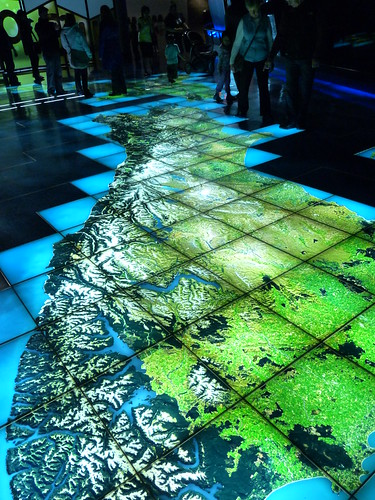
After a brief coffee stop we checked out some of the newer exhibts, including one with an interactive map of New Zealand on the floor which linked to screens on the walls. The floor was pressure sensitive so as you stepped on an area it would light up the relevant information about it on the wall - clever!
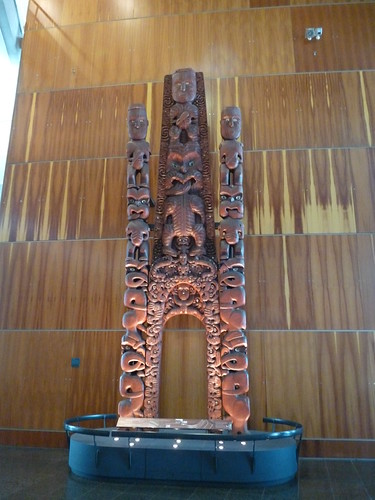
The museum is huge, with many exhibits including a massive Maori collection and a big area devoted to the cultures of the Pacific Islanders, many of whom come to live in New Zealand at some point in their lives.
One of the most interesting exhibits was about the people who have arrived in New Zealand over the last century or so. This featured a special exhbition about the Scots in particular and contained stories of people from all walks of life and their thoughts on leaving home and starting a new life half way round the world.
We finished off with a visit to the art gallery on the museums top floor. Art from all influences and using all media graced the room, from Maori to modern, video to oil and canvass.
Our last visit of the day was to the Welsh Dragon Pub in the city, where we met the owners Mike and Jo and a host of other faces from Barry, Cardiff and Margam to name a few. Some passing through, some living in New Zealand. Welsh flags everywhere and I even signed one for me and Ed. The only thing missing was the SA, although Mike hopes to get some for the World Cup. A warm welcome and a fond farewell.