
11th October 2009
An early (and cold) start to get to Pier 33 on Fisherman’s Wharf to catch our ferry to Alcatraz at 9am. We had planned to use the urban rail system (the BART) to get to downtown SF, but because it’s Sunday they don’t start running until 8am - rubbish! So we ended up driving all the way to SF.
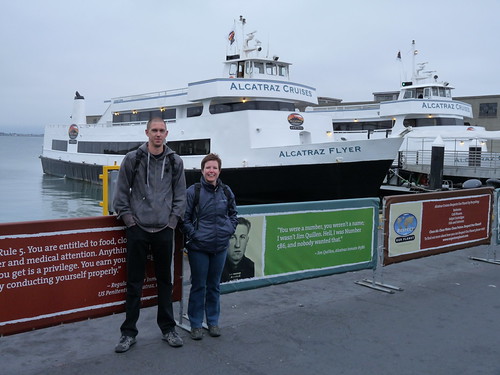
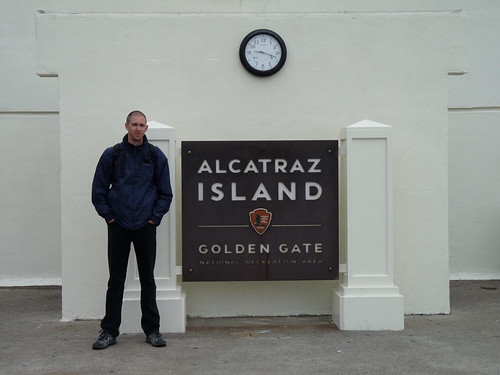
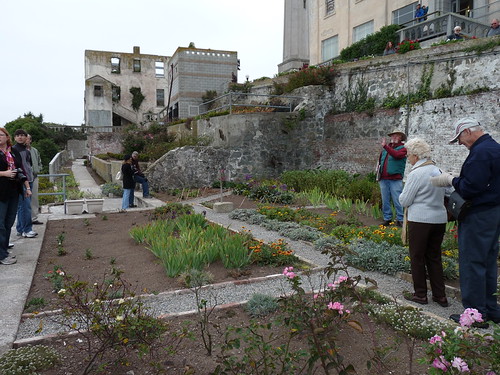
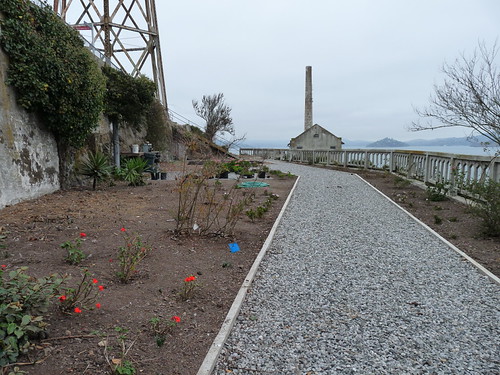
After this inauspicious start, we collected our tickets and boarded the ferry. When we arrived on Alcatraz we took a walking tour of the gardens with one of the volunteer gardeners on the island. They have been working on a project for the last 5 years to restore the gardens on Alcatraz, and the tour took in many areas that are normally off limits to the public. Our tour guide, Dick was not only highly informative about the gardens and types of planting used on the island such as succulents, fushias and geraniums, but also about the history of the Rock.
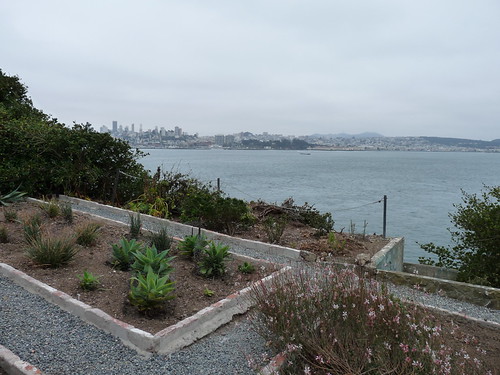
Although most people know about Alcatraz due to its prison history, it was actually first used as a defensive fort by the American Army. It was then turned into an Army prison for deserters, Confederates and later on conscientious objectors during World War 1. It was during the depression and prohibition that it became the maximum security prison that we remember it for today, housing the worst of the worst, inmates that were moved from other prisons such as Al Capone, George “machine gun” Kelly and Robert Stroud or “The Birdman of Alcatraz”.
After it was closed in 1963 due to many of the buildings falling into disrepair and being too expensive to maintain it was occupied by native American Indians who were protesting at being forceably removed from their lands and forced to live in cities by the American Government. The occupation lasted for 19 months with the activists being helped with the provision of food and water by many Bay inhabitants who sympathised with their cause. There are still signs of the Indian occupation visible on the island today and the occupation did put a halt to the policy of relocating indiginous peoples.
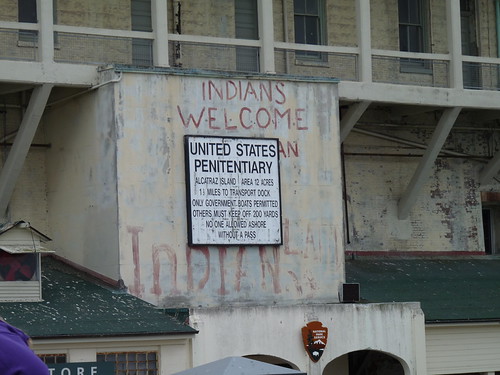
Alcatraz became a national park in 1972 when the government created the Golden Park National Recreation Area.
We visited many of the gardens that are in the process of being restored by the garden volunteers including the victorian garden and the inmates garden, for many years seen only by the inmates as they reported in for work every morning. Dick also showed us his composting area, an area which like many on the island had been covered in brambles and ivy when they began their work. When they started to clear many of these areas, plants which had managed to survive became visible and in this particular area they found a rose. This rose was a native Welsh rose which had been lost in Wales. They were able to save it and send some back to us. I nearly fell over when I heard him mention the homeland - Americans usually just smile and nod when you mention it!
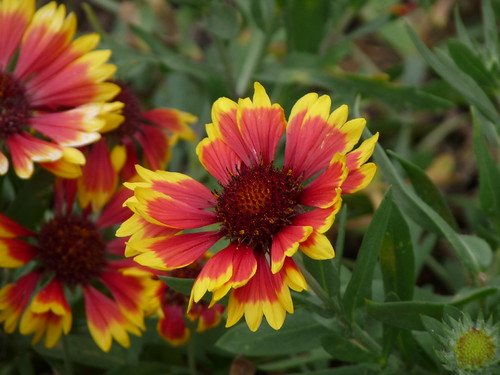
Having completed the garden tour, and by now feeling extremely cold since the sun has failed to make an appearance here today and the wind is particularly biting out on Alcatraz, we headed for the cell block to take an audio tour.
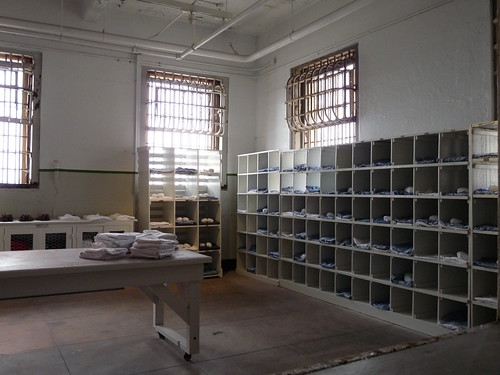
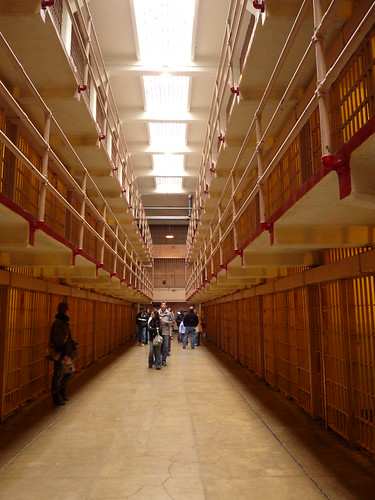
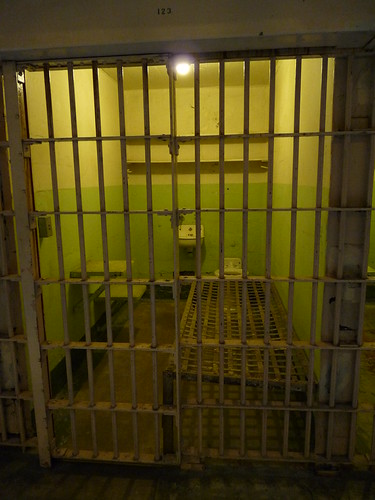
A truly excellent tour it was too! The story of the maximum security prison told by inmates and guards while taking you around the cell block in a seamless narative. We saw the cells where inmates entered the prison, solitary confinement, the library where inmates could borrow suitable literature, the dining hall where apparently the food served was excellent and there was plenty of it and the control room where the guards worked. The tour explained about escape attempts including the most well known where three inmates used spoons to tunnel out of their cells and actually managed to get to the water. To this day it is not known whether they managed to escape successfully or not since their bodies were never found and they were never heard of again.
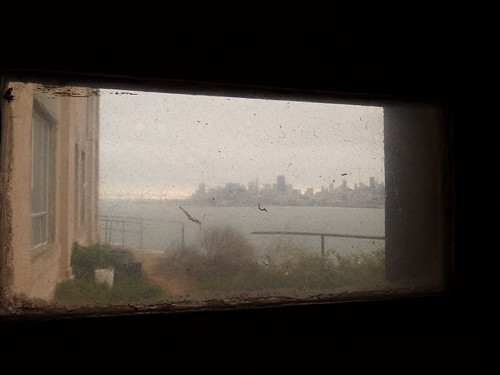
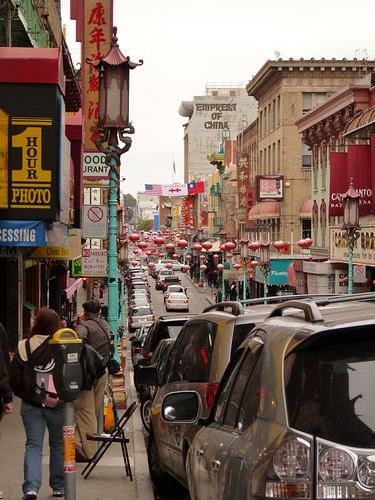
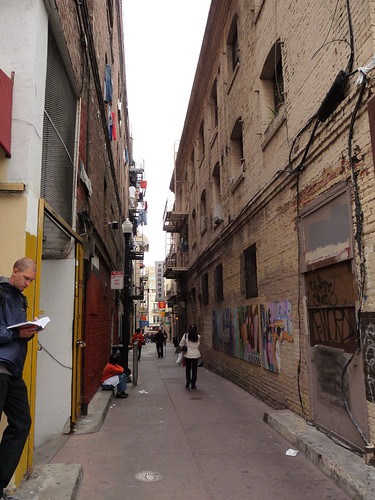
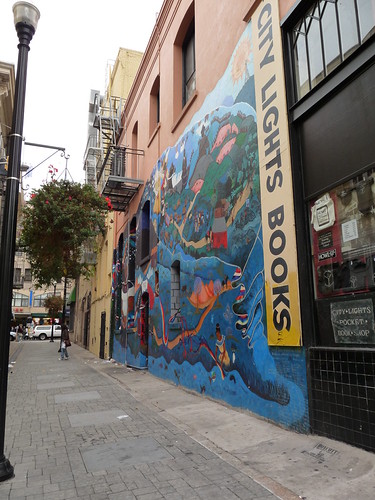
We returned to Fisherman’s Wharf and decided to follow a walking tour we had found in the Lonely Planet. This started in Chinatown, taking us down some narrow alleyways where we also found the famous Golden Gate Fortune Cookie Factory and tasted some cookies before they had their fortunes put in and watched the girl shaping them and adding the fortune.
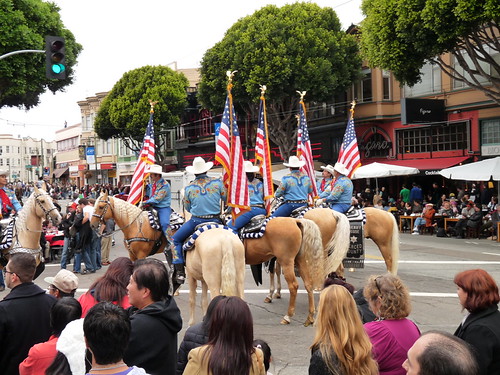
We continued onto North Bay, which is where the Italian community live. When we reached the main thoroughfare we realised that there was a parade going on, there were horses and bands and loads of people everywhere. Today was their Italian Heritage Day parade which is held every year.
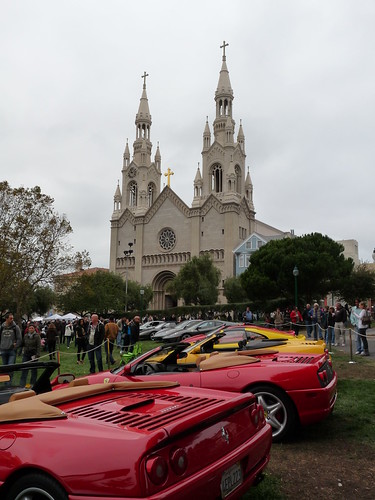
What could be more Italian than Ferrari? And as we followed the procession to the steps of a large church, we passed about 30 cars parked up in a small park called Buena Vista park, old and new but of course mostly red!
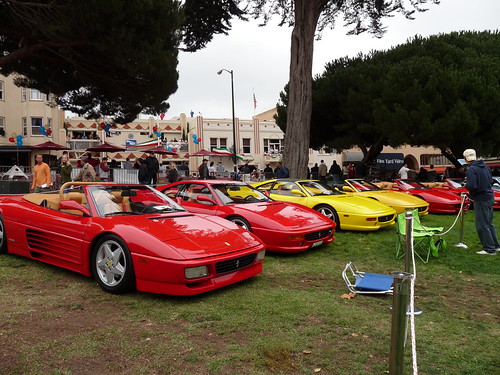
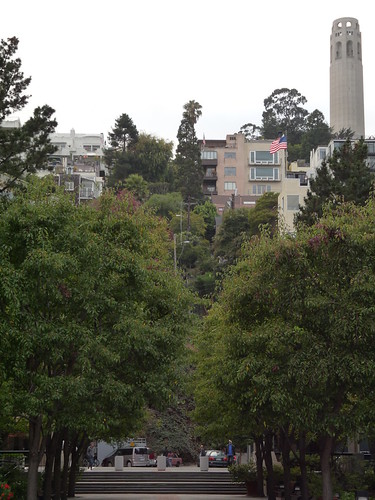
After staying a while to watch the procession and admire the cars we continued on our tour to the top of Telegraph Hill, to Coit Tower which affords stunning 360 degree views over San Francisco and the bay. As we were walking to the top of the hill we heard the Blue Angels display team come tearing over the top of us in their jets - definately a case of hearing them before seeing them!
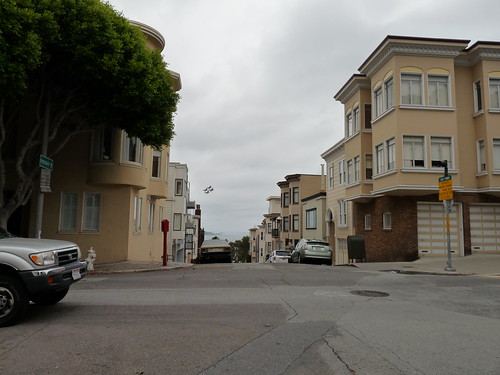
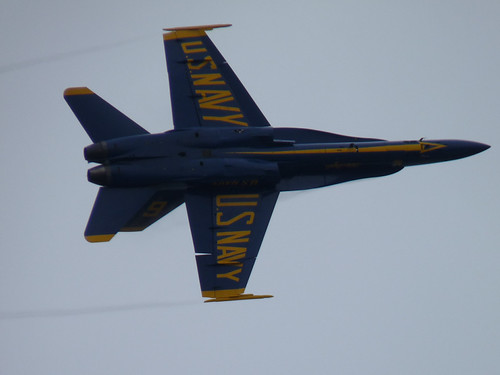
We hastened to Coit Tower where we were able to get a good look at them flying directly overhead and banking around the city to perform their manouevres for the people in the bay below. A unique view, quite different and much closer to the planes than yesterday. They also seemed to do a much longer display than yesterday and there were 6 jets today where as we only saw 4 yesterday.
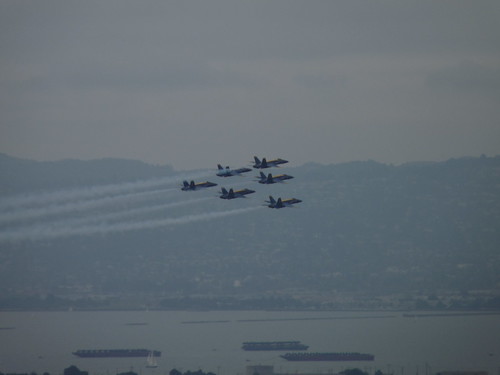
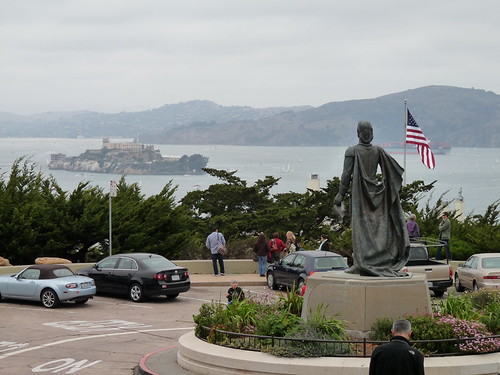
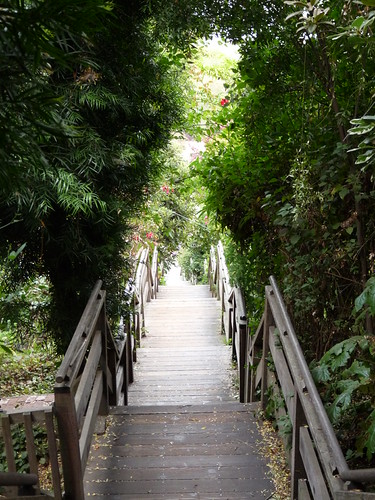
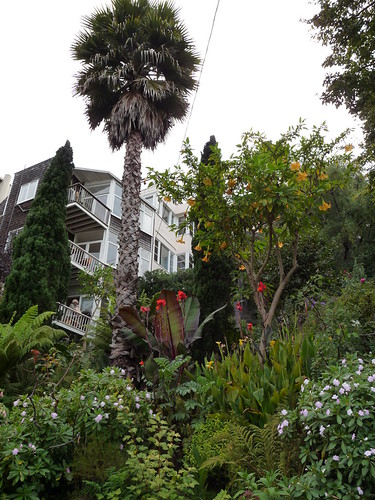
The display ended about 4 o’clock and we decided to return to North Bay where the cleanup after the parade was starting to get underway and get something to eat. A delicious Italian meal ensued before we returned to the top of Telegraph Hill to walk down the narrow stairway back to the wharf at the bottom. We managed to spot some of the famous Telegraph Hill parrots as well as enjoy the beautiful gardens and flowers that are planted alongside the steps. I was quite glad we were going down rather than up though - up looked like a much tougher job!
A fantastic and surprising day, especially after our false start this morning :)